


Handling customer complaints in your beauty business is a skill, and it can make or break your reputation. A client says your serum broke her out. Another says her wig arrived shorter than promised. A third posts that your makeup artist came late on her wedding day.
Each of these complaints is public, searchable, and easy to screenshot. The good news is that the complaint is not the real danger. Your reply is.
A calm, clear response can win the client back and impress everyone watching. A defensive one can follow your brand for months. Here is what to do.
Why Beauty Complaints Hit Harder
Beauty is personal. Clients trust you with their skin, their hair, and their big moments. So when something goes wrong, the emotion runs high.
There is also a trust problem. Nigerian beauty shoppers have been burned by fake products, ghost vendors, and no-show artists. As a result, they read complaints before they book or buy.
In fact, most people reading a complaint are not the angry client. They are future customers watching how you behave. Your reply tells them whether they are safe with you.

What Not to Do When a Client Complains
Avoid these common mistakes. Each one turns a small problem into a big one.
- Deleting the complaint. Clients notice, and screenshots travel fast.
- Blaming the client. Saying “you did not follow the aftercare” in public sounds defensive.
- Arguing about her skin. Never tell a client her reaction is “not from our product.”
- Using a copy-paste apology. “Sorry for the inconvenience” feels cold.
- Going silent. No reply looks like you do not care.
- Replying while angry. Wait ten minutes before you type.
A 4-Step Formula for Customer Complaints in Your Beauty Business
This structure works for almost every complaint, on any platform.
Step 1: Acknowledge the problem. Mention the specific issue, such as the breakout, the delay, or the missed appointment.
Step 2: Apologise once, sincerely. Skip long explanations. They sound like excuses.
Step 3: Move to private messages. Your public reply is only the first response. The real fix happens privately, where you can ask for photos and order details.
Step 4: Follow up publicly. Once you resolve the issue, return to the comment or review with a short update. It shows everyone you finish what you start.
Beauty Examples You Can Copy
Adjust these to fit your own voice.
For a skin reaction:
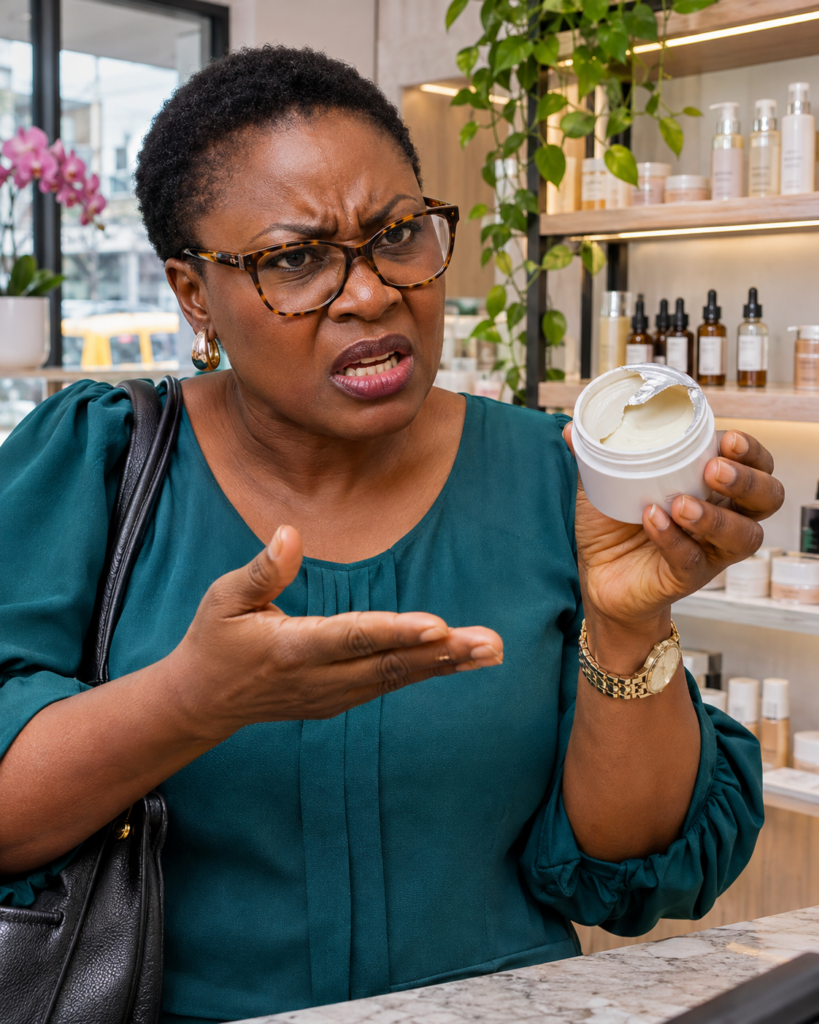
“Hi Tola, I’m so sorry your skin reacted. Your comfort matters to us. Please stop using the product for now and message us a photo and your order number. We want to help.”
For a wig that does not match the description:
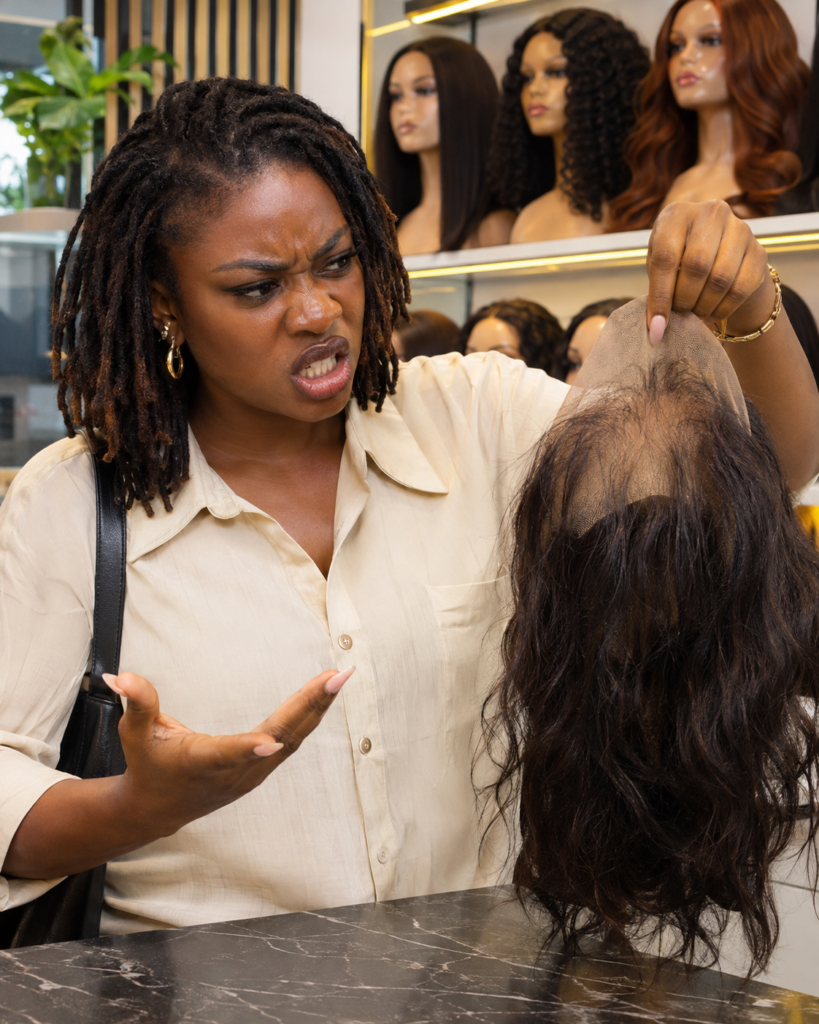
“Hi Ada, I’m sorry the wig is not what you expected. Please message us photos and your order details today. We will review it and give you a clear next step.”
For a late makeup artist:
“Hi Chidinma, I’m truly sorry about the delay on your special day. That is not our standard. Please message us so I can hear exactly what happened and make this right.”
For a lash or nail service that did not last:
“Hi Zainab, thank you for telling us. Your lashes should last longer than that. Please book a free review appointment with us this week, and we will fix it.”
Notice the pattern. Each reply is short, specific, and warm. None of them argues.
Sort Out the Private Conversation Fast
The public reply buys you time. The private chat is where you win the client back.
First, thank her for reaching out. Next, ask for what you need, such as photos, the product batch, or the booking date. Then offer a clear solution, whether that is a replacement, a refund, a free touch-up, or a discount on her next visit.
Always give a timeline. For example, say “your replacement wig ships tomorrow by 2pm.” Vague promises make clients angrier.
For skin reactions, also suggest she sees a dermatologist if it is serious. That shows you care about her health, not just the sale.
What If the Complaint Is Unfair or Fake?
Sometimes a complaint is simply wrong. The client may have ordered from another vendor. She may want a refund she is not entitled to.
Even then, stay polite. State the facts and invite her to share proof privately. For example: “Hi, we cannot find an order under this name. Please send your payment details so we can check.”
Do not insult her. Let your professionalism do the work. Readers can tell who is behaving well.
Where to Reply: Social Media, WhatsApp, and Review Platforms
Complaints show up in many places. The formula stays the same, but the setting changes how you apply it.
On social media, keep your public reply brief and move to DMs quickly. On WhatsApp, reply fast, because clients expect speed there. On review platforms such as Parrot, write a slightly fuller response, since future clients read it closely.
Reviews matter most because they stay put. A comment gets buried in a week. A review sits on your profile and keeps working for you. That is why many beauty businesses now treat review platforms as their real storefront for trust.
How to Get Fewer Complaints in the First Place
Better replies help, but fewer complaints help more. These habits make a big difference.
- Set expectations clearly on delivery times, shades, lengths, and results.
- Take a deposit for bookings and state your cancellation policy up front.
- Share aftercare instructions right after every service or purchase.
- Follow up 24 hours later to ask how the client is feeling.
- Ask happy clients to share their experience.
That last habit is the one most beauty businesses skip. Unhappy clients complain loudly, while happy ones stay quiet. As a result, your online reputation looks worse than your real service.
A simple fix is to send a review link after every appointment or delivery. Parrot makes this easy, because clients can leave a review on your business profile in a few minutes. Over time, your happy clients outnumber the angry comment, and new clients see the full picture before they book.
Final Thoughts
You cannot prevent every complaint in a business built on skin, hair, and personal moments. However, you can control how you respond. When you handle customer complaints in your beauty business with calm, clarity, and follow-through, you protect your reputation and often win the client back.
Remember the formula: acknowledge, apologise, move to private messages, and follow up publicly. Then make it easy for your happy clients to speak up too.